Sorry, No Medicaid

Cavitation Treatment
Comprehensive, holistic evaluation and treatment of jawbone cavitations using advanced 3D imaging, gentle surgical techniques, and regenerative therapies to support healthier bone, reduced inflammation, and long-term oral wellness.
What is a
Jawbone Cavitation?
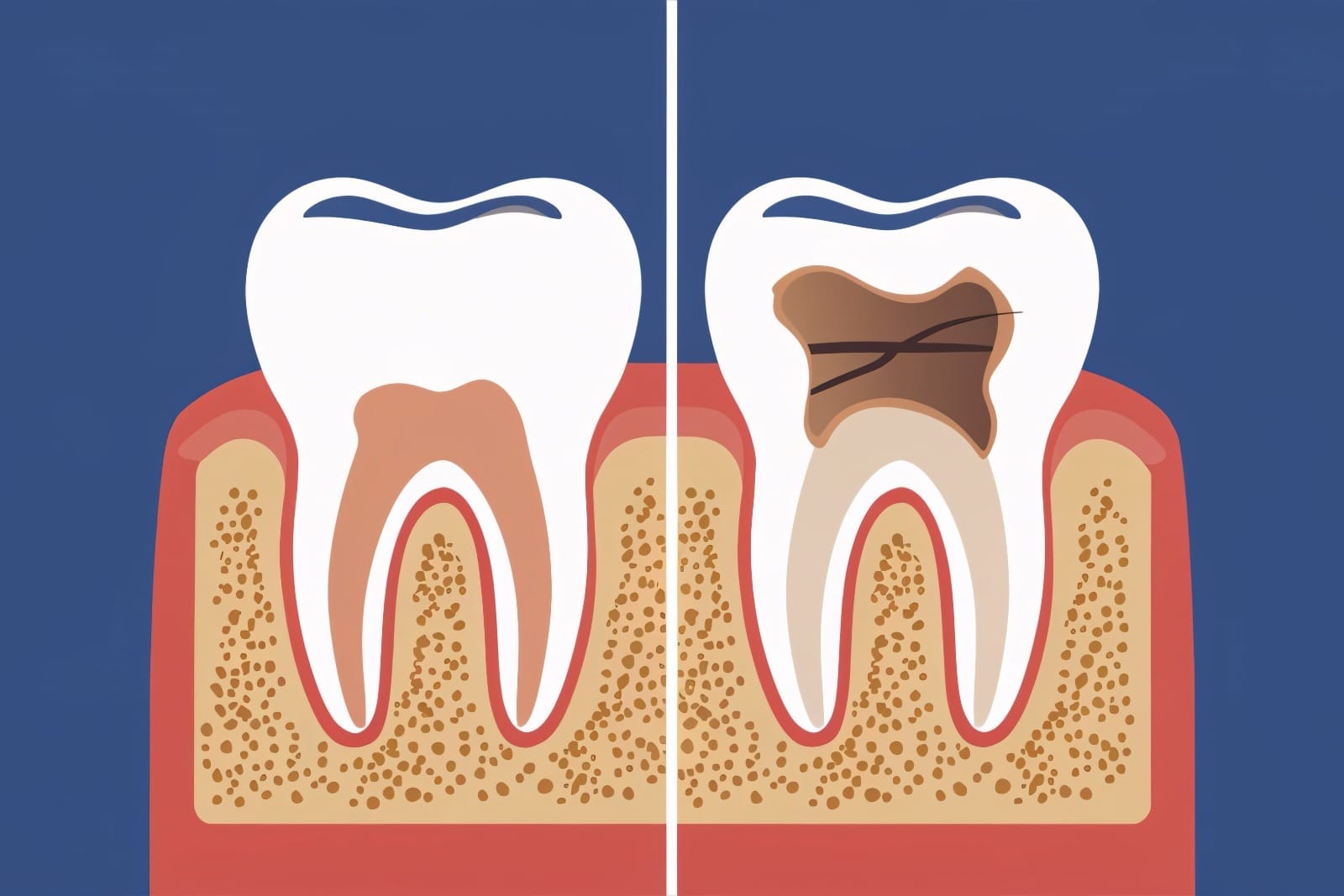
A jawbone cavitation refers to an area of bone that may not have healed fully after a tooth extraction, trauma, or infection. Instead of filling in with strong, healthy bone, the site can sometimes remain soft, hollow, or poorly vascularized.
You may also hear these areas described as:
Not every extraction site develops a cavitation, and many heal normally. When healing is disrupted, however, the area may not return to optimal health on its own.


Why Cavitations
May Matter
The jawbone is living tissue with blood flow, immune activity, and nerve connections. When an area does not heal well, it may become a place where:
For some patients, this may be associated with:
Many people with suspected cavitations have few or no obvious symptoms, which is why these areas can be overlooked during routine exams.
How We
Evaluate
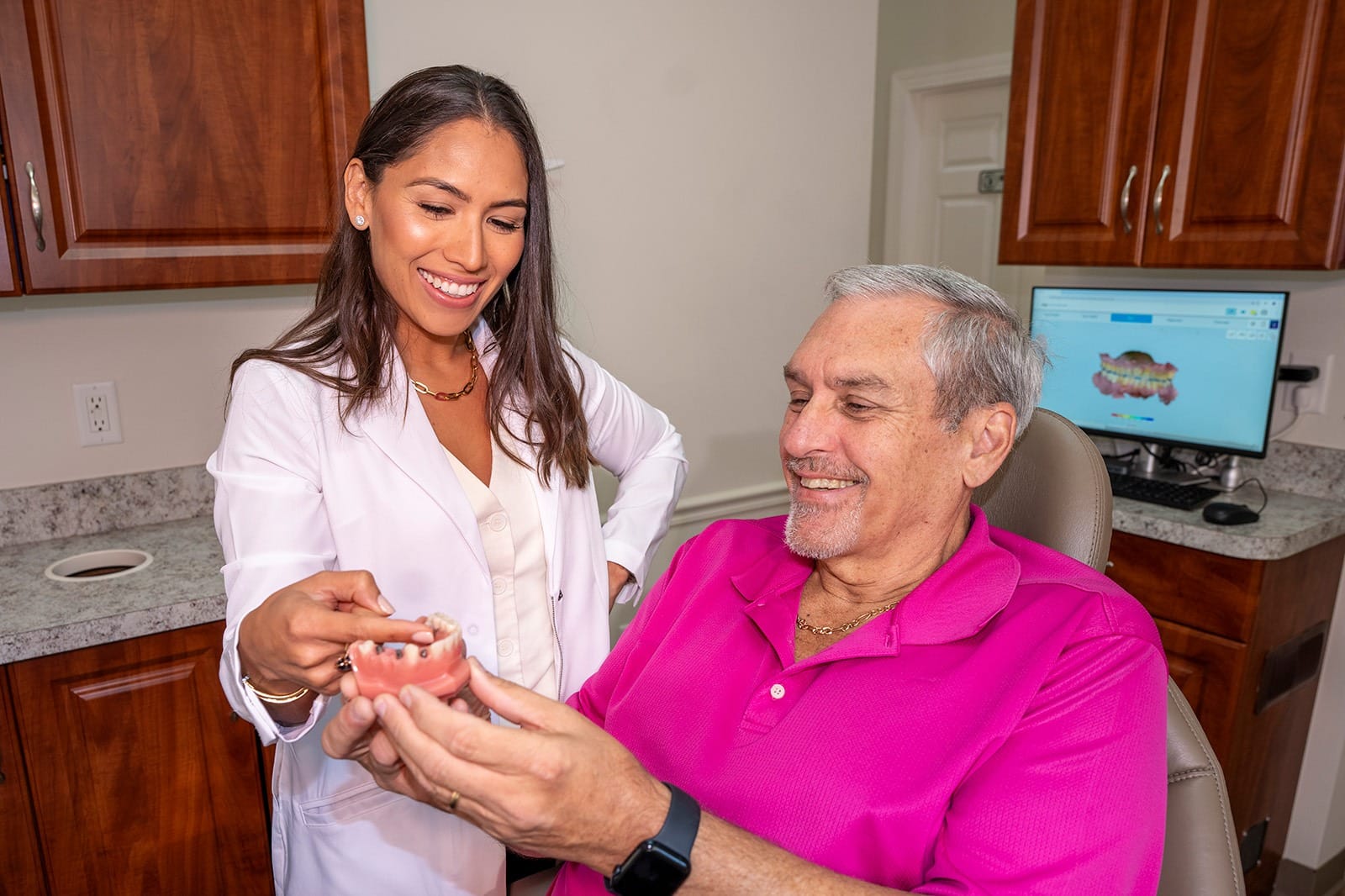
Jawbone cavitations often do not appear clearly on standard two dimensional dental X-rays. When history or symptoms suggest a concern, we take a more thorough approach.
Evaluation may include:
Not every irregular finding is a cavitation, and not every cavitation requires treatment. Careful evaluation and context matter.


How Cavitations
May Be Addressed
When an area is confirmed to be unhealthy and appears to be contributing to symptoms or inflammation, treatment focuses on supporting healthier bone and tissue.
Options may include:
The goal is not simply to remove tissue, but to encourage the body to form stronger, well vascularized bone.
Our Approach
We take a balanced, individualized approach to jawbone cavitations.
If you have a history of extractions, lingering jaw discomfort, or dental concerns that have never been fully explained, this may be worth a conversation.
Schedule a consultation to learn whether an evaluation is appropriate for you and what options may support your healing.